If you are running a small business, you already know that every single marketing dollar has to pull its weight. You might look at massive brands dropping millions on celebrity endorsements and think, “That’s just not in my budget.”
But here is the truth: you don’t need millions. In fact, you don’t even need celebrities. Today, a highly targeted influencer marketing strategy for small businesses can often outperform massive corporate campaigns in sheer return on investment (ROI). Consumers are fatigued by polished, faceless ads; they want authentic recommendations from people they actually relate to.
Why an Influencer Marketing Strategy for Small Businesses Works
You might be wondering if paying someone to post about your product actually translates to sales. The short answer is yes, but the why is fascinating.
In academic research, this dynamic is explained by Parasocial Interaction Theory. In plain English? It means that over time, we develop one-sided emotional bonds with the creators we watch every day. We begin to trust them exactly like we trust our real-life friends. Recent 2026 consumer studies show that interactive, trust-building content drives far more long-term brand loyalty than quick, flashy discount codes.
For a small business, partnering with the right creator allows you to bypass the skepticism consumers usually have toward ads. You aren’t just buying reach; you are renting trust.
The Influencer Pyramid: Why Bigger Isn’t Always Better
When building an influencer marketing strategy for small businesses, the biggest mistake you can make is chasing follower counts. You need to understand the tiers of influence.
As the image above illustrates, the creator economy is broken down into four distinct tiers:
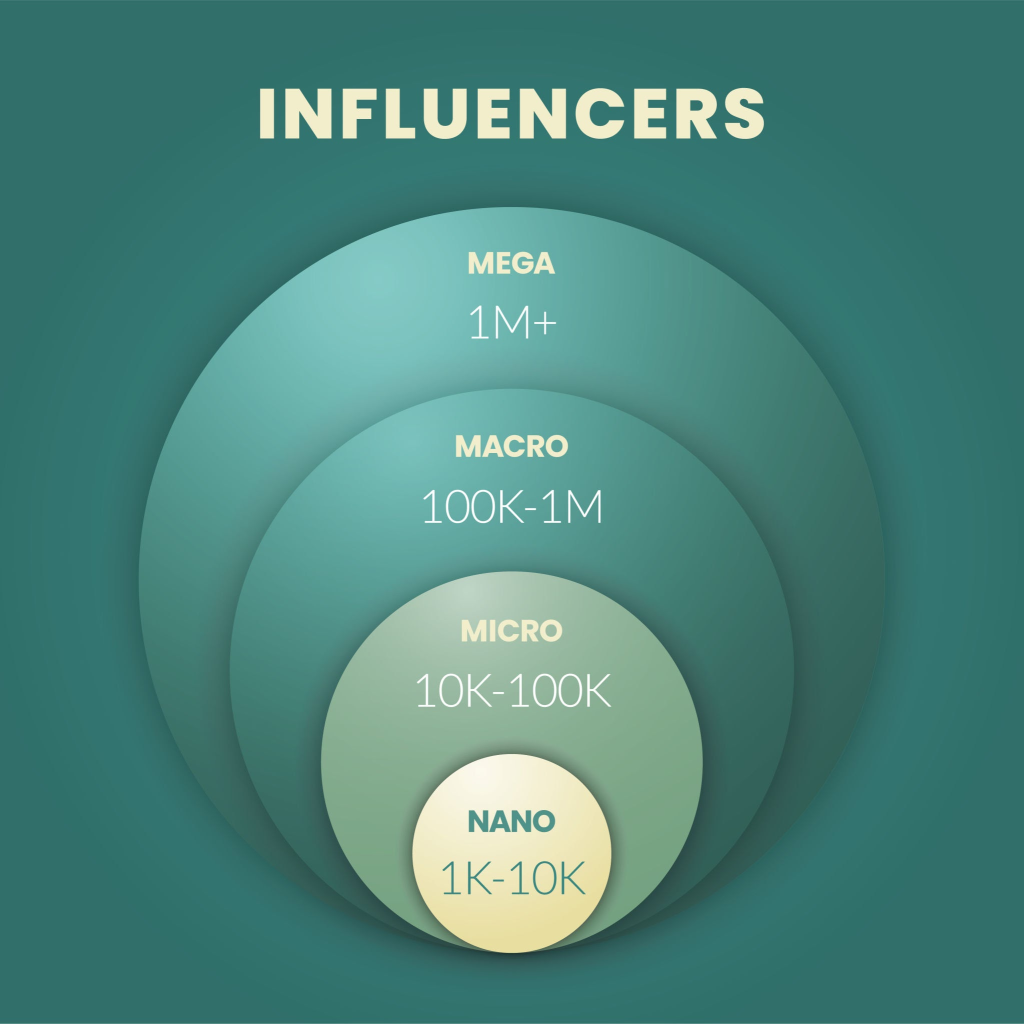
- Mega-Influencers (1M+ followers): Celebrities and internet stars. Highly expensive, broad reach, but generally low engagement rates.
- Macro-Influencers (100K–1M followers): Professional creators. Good for broad awareness, but often cost thousands of dollars per post.
- Micro-Influencers (10K–100K followers): Niche experts. They have dedicated audiences who trust their specific expertise (e.g., a local food blogger or a specialized skincare enthusiast).
- Nano-Influencers (1K–10K followers): Everyday consumers with high influence in their immediate circles. They have the highest engagement rates of any tier.
Comparing the Tiers for Small Business ROI
| Influencer Tier | Follower Count | Average Engagement Rate | Cost Level | Best For Small Businesses? |
| Mega | 1M+ | 1.0% – 1.5% | $$$$$ | ❌ Avoid (Too broad, too expensive) |
| Macro | 100K – 1M | 1.5% – 3.0% | $$$$ | ⚠️ Use cautiously (If budget allows) |
| Micro | 10K – 100K | 3.0% – 5.0% | $$ | ✅ Highly Recommended (Niche authority) |
| Nano | 1K – 10K | 5.0% – 8.0%+ | $ | ✅ The Sweet Spot (Hyper-engaged, affordable) |
For a small business, your strategy should live almost entirely in the Micro and Nano tiers. They are cost-effective, often willing to work for product exchanges or affiliate commissions, and their followers actually listen to their buying advice.
Step-by-Step: Building Your Influencer Marketing Strategy
Creating a campaign requires a chronological approach. If you start reaching out to creators before you know how you are going to track their sales, you will burn your budget with nothing to show for it.
1.Define Your Campaign Goals:Phase 1: Strategy.
Before sending a single DM, decide what success looks like. Are you trying to drive Brand Awareness (getting your name out there) or Direct Conversions (getting people to buy right now)?
- For Awareness: Focus on metrics like video views, reach, and shares.
- For Conversions: Focus on clicks, promo code redemptions, and Cost Per Acquisition (CPA).
2.Determine Your Compensation Model:Phase 2: Budgeting.
Small businesses don’t always need massive cash budgets. You have three main options:
- Product Seeding (Gifting): You send free products with no strings attached, hoping they post. Best for Nano-influencers.
- Affiliate Commission: You pay the creator a percentage (usually 10-20%) of every sale they generate via a custom link or promo code. This is zero-risk for your budget.
- Flat Fee: You pay a set rate for a guaranteed piece of content (e.g., $150 for one Instagram Reel).
3.Find and Vet the Right Creators:Phase 3: Discovery.
Don’t just look at follower counts; look for alignment. Does their aesthetic match your brand? Do they talk to your target demographic?
The Vibe Check: Scroll through their comments. Are people just leaving fire emojis (🔥), or are they asking genuine questions like, “Where did you buy this?”
Calculate Engagement Rate: Add up their likes and comments on their last 10 posts, divide by their follower count, and multiply by 100. Aim for creators with an engagement rate above 4%.
4.Execute a Human-First Outreach:Phase 4: Connection.
Influencers get dozens of copy-pasted emails a day. Stand out by being a genuine peer. Keep your outreach short, warm, and highly personalized.
5.Track, Measure, and Optimize:Phase 5: Analytics.
Once the content goes live, you must track the results. Give each influencer a unique UTM tracking link (a custom URL that tracks clicks in Google Analytics) and a custom promo code (e.g., SARAH15). After 30 days, review which creators drove the most sales. Drop the underperformers and offer long-term ambassador contracts to your top converters.
3 Key Trends Shaping Small Business Campaigns in 2026
To keep your influencer marketing strategy for small businesses competitive, you need to stay ahead of the curve. Here is what is working right now:
1. The Rise of “De-Influencing” and Deep Authenticity
Consumers are exhausted by aggressive sales pitches. The most successful campaigns right now focus on honest reviews. Allow your influencers creative control to talk about your product naturally. If they sound like they are reading a script, their audience will scroll right past it.
2. Video-First Dominance (Short-Form is King)
Static photo posts are losing their impact. Your strategy must prioritize short-form video on platforms like TikTok, Instagram Reels, and YouTube Shorts. Video allows creators to demonstrate your product in action, which builds immediate trust and significantly lowers the barrier to purchase.
3. AI for Vetting and Analytics
Small businesses are increasingly using affordable AI tools to vet influencers. These tools scan creator profiles to detect fake followers, analyze audience demographics (ensuring their followers actually live in your shipping zones), and predict campaign performance before you spend a dime.